
Getting Hancock County Court Records
Start where the files actually sit. In Hancock County, the Clerk of Courts holds Common Pleas records. That means civil cases, felony criminal cases, and domestic relations. Findlay Municipal Court keeps its own traffic, misdemeanor, small-claims, and municipal civil files. Probate records live with Hancock Probate Court. Fostoria-branch municipal records sit with the Tiffin-Fostoria Municipal Court Clerk. Searching a court docket online can point you to the right file. Yet the paper itself stays with the office that keeps it.
For a Common Pleas docket search, start with Hancock Court eServices for public case information. Call or visit the Legal Department when you need an official or certified record. Findlay posts public details where available, and its court counter handles the rest. Probate asks verified-record users to write in or visit. Fostoria points record seekers to its CaseLook route and branch counter.
- Identify the court and exact case number.
- Use the official portal to locate the docket and document description if available.
- State whether the need is a docket, filed item, judgment, transcript, or certified copy.
- Contact the custodian for current fee, delivery, and restriction information.
- Use the court’s direct process when an online record is unavailable, old, or restricted.
The Hancock Clerk’s Record-Keeping Role
The Clerk of Courts Legal Department serves both Common Pleas and the Third District Court of Appeals. Day to day, the office stamps each pleading with its filing date and time. It enters orders, decrees, judgments, and proceedings into the court record. It also dockets, indexes, and preserves the civil, felony criminal, and domestic-relations pleadings. That is why the Clerk is the proper keeper for any Hancock County Common Pleas court docket. The office does not act as a stand-in counter. It covers no Findlay municipal, Probate, or Fostoria municipal cases.
Hancock County Clerk of Courts
Legal Department, third floor
300 S. Main St., Findlay, OH 45840
419-424-7037
One caveat comes straight from the Clerk's public portal. Information there may leave out items not yet docketed or filed, and Common Pleas users hunting pre-January 1985 files are told to visit the counter in person. Treat that as a fact about local access. It is not a sign that an older Hancock County court record has vanished.
Hancock County Docket, Document, and Copy
Three layers are worth telling apart. A docket is the running chronological list. It covers filings, settings, orders, payments, and other case events. Behind each entry sits the filed document itself, whether a pleading, order, judgment, service return, or attachment. A certified copy is something different again. It is an authenticated copy issued by the court or clerk that keeps the file. The public portal can help you spot each layer of a court record. It cannot turn what you see on a screen into the official copy.
| Need | What it is | Local channel |
|---|---|---|
| Docket/status | Chronology of recorded case events | Official local case portal, then keeper if verification is needed |
| Filed order or pleading | Underlying document named by a docket entry | Court clerk or record custodian; online image availability varies |
| Certified copy | Authenticated official copy | Exact court or clerk holding the case |
| Transcript | Record of proceeding, distinct from ordinary docket copy | Relevant court reporter process |
Hancock Court eServices gives a clear warning about CourtView. Docket information there can lag behind pleadings, decisions, and filings not yet docketed.
Hancock County Court Record Types
Each Hancock County court keeps its own paper. Common Pleas holds civil pleadings, felony criminal records, domestic-relations documents, judgments, and docket entries. Findlay's civil details can show parties, services, claims, judgments, hearing information, and entries. For traffic and criminal matters, the details cover counts, citation information, plea, finding, hearing, warrant, financial, and docket panels. Probate and Fostoria maintain separate subject-specific municipal and probate records of their own.
| Docket entry | A dated record of an event, not necessarily the document text. |
|---|---|
| Judgment | A court decision or order that can appear in a table and in a dated entry. |
| Service record | Information on delivery of civil papers, including method and completion. |
| Count | A traffic or criminal charge entry with its own plea and finding fields. |
| Certified copy | An authenticated record from the keeper, different from the public web display. |
Hancock County Copy Fees and Certification
The official Common Pleas fee schedule lists a $15 record-search fee. Filing deposits appear there too, such as civil action and foreclosure deposits. But those are not copy prices. Civil Rule 1.05 allows reasonable copying charges paid in advance. The court publishes no per-page copy charge. There is no certification surcharge, exemplification price, payment method, or turnaround promise either. Ask the clerk for current numbers before you budget a request.
| Item | Published amount | Record-request meaning |
|---|---|---|
| Common Pleas record search | $15 | Explicit Clerk fee and useful older-file fallback. |
| Criminal expungement filing | $55 | Filing fee, not ordinary access cost. |
| Copy per page or certification | Not located | Ask the file custodian before ordering. |
For figures that hold up, go straight to the official Clerk fee schedule. That page sets out what the Clerk of Courts actually charges, so it beats borrowing a recorder fee or promising yourself same-day certified copies.
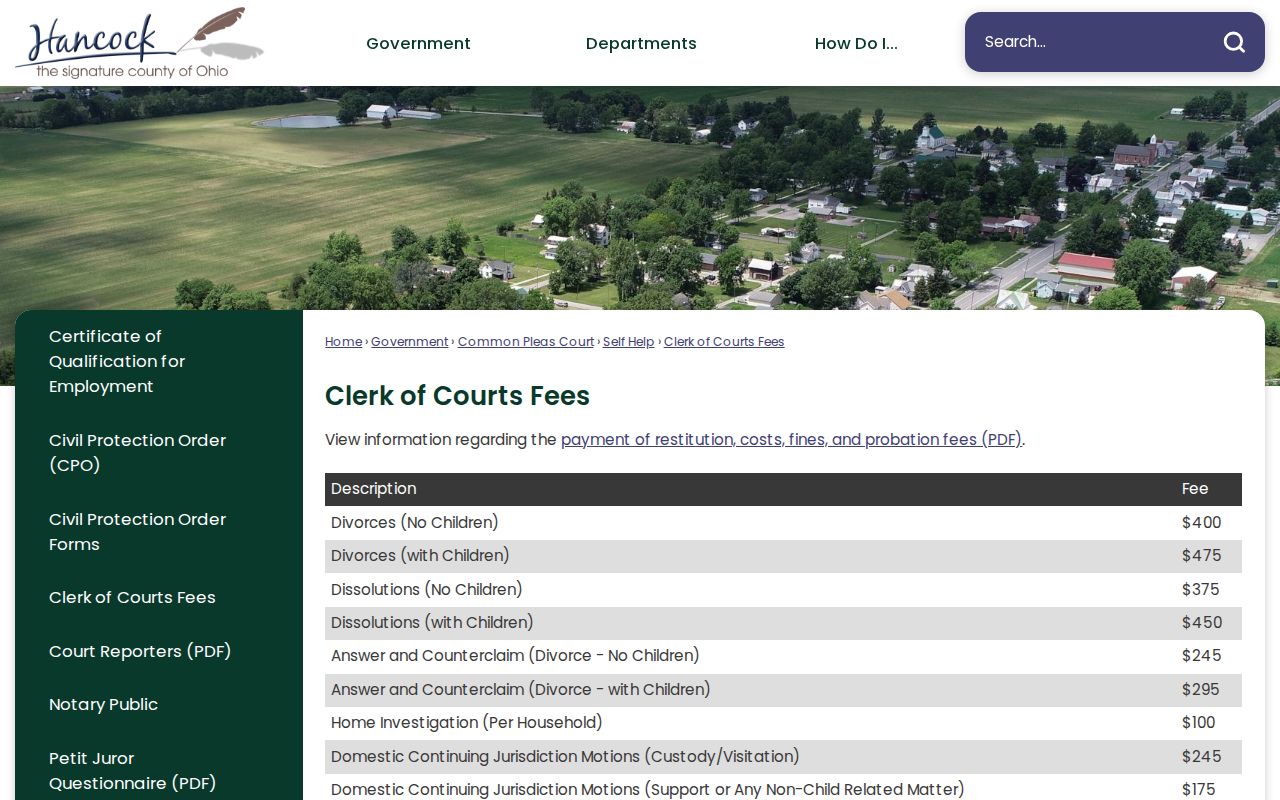
Hancock County's fee schedule lists a $15 record search; certification pricing is a question for the clerk.
Findlay Documents During the Scan Outage
Findlay case detail pages show a View Documents link. But don't count on it working right now. The City's service notice says scanned images are unavailable. Municipal data has not updated since February 11, 2026. So a document link is no promise that a scan will open or download. A missing image points to a technical access problem, not a sealed file.
Need a Findlay traffic or criminal docket item? Call 419-424-7141. For civil or small claims, use 419-424-7143. Records dated before 1984 sit in Room 206 at 318 Dorney Plaza. Have the case number and the exact document or docket entry handy when you call. The City's case-search links page carries the current access notice.
Older Hancock County Record Counters
Each Hancock County office sets its own historical cutoff. Common Pleas turns away seekers of records before January 1985. Those records sit with the Clerk at 300 South Main Street. Findlay's municipal office in Room 206 handles its pre-1984 records. Probate works differently. Its public notice asks for a written request or a visit at 308 Dorney Plaza when verified information is needed.
That patchwork is why a generic countywide records office answer falls short. Bring the court title, case number, approximate year, and document type. That way the request lands in the right place. Fostoria matters go to the Tiffin-Fostoria branch at 213 South Main Street. A city record does not belong to the Hancock County Clerk.
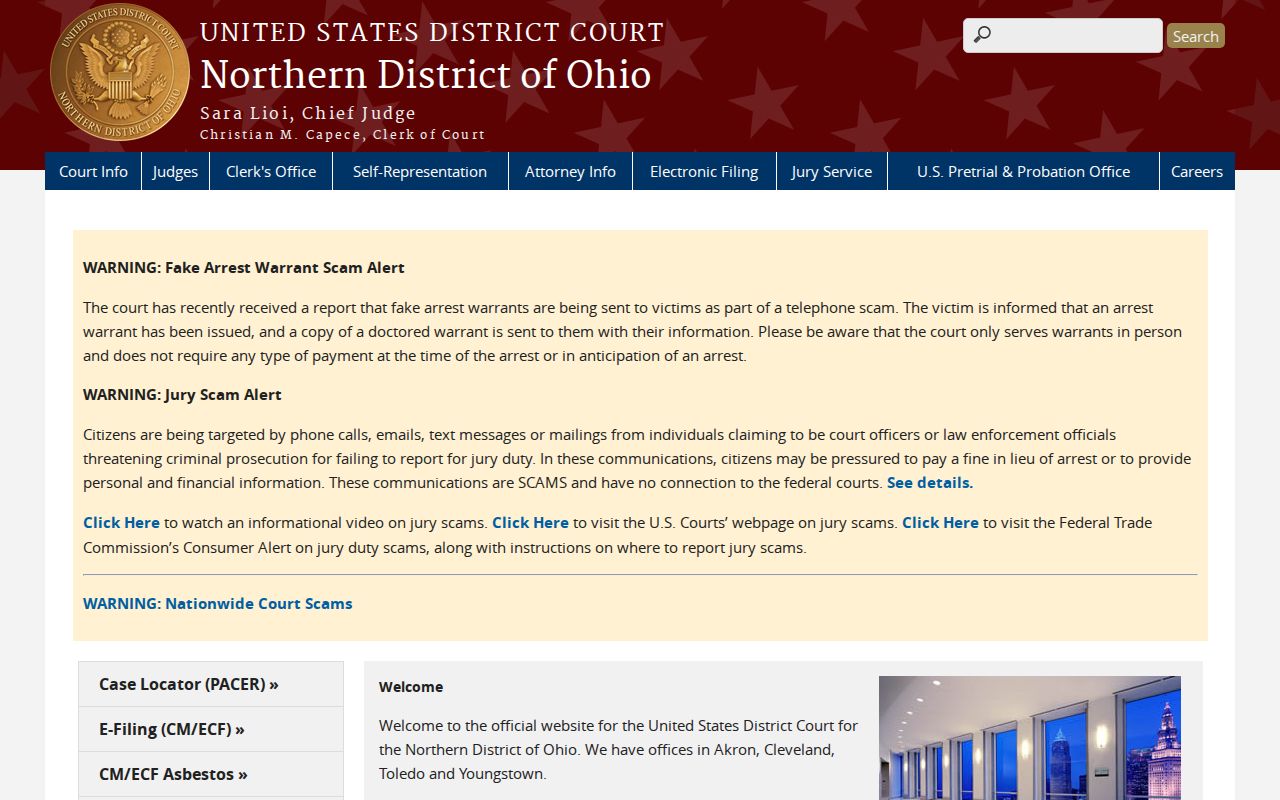
Federal court records sit with a separate federal clerk and are not part of any Hancock County state-court file.
Hancock County Probate and Fostoria Records
Start probate searches at the local online tool. The Probate search opens the door to Hancock County probate information. The court's own notice warns that entries can lag by 24 hours or longer. For a verified probate record, written requests or a visit to Probate Court are the reliable route. They beat asking a municipal clerk who does not hold the file.
Fostoria cases live elsewhere. The Tiffin-Fostoria Municipal Court keeps those records. Its CaseLook system carries the same caution about postings running at least 24 hours behind. Call the Fostoria counter at 419-435-8139 to confirm a case or make a record request. Fostoria spreads across three counties. Name the exact branch whenever you ask for a municipal record.
Ohio Court Record Access Rules
Ohio's 2026 Rules of Superintendence reshaped how court-record access is organized. What used to be Sup.R. 44 now sits at Rule 11.09. Former Rule 45's public-access framework was split into Rules 11.10 through 11.14. Bulk distribution is covered by Rule 11.15. Older local material may still point to the former numbers. Knowing both labels helps when you chase down a rule reference.
Access framework: Sup.R. 11.09 through 11.16 provides court-record definitions, access, restrictions, and bulk-data rules. Ohio Revised Code 149.43 is the general public-records law, while court case documents are specifically structured by the Superintendence rules.
Asking for one docket or document differs from requesting bulk data or a new compilation. Direct the request to the exact court custodian and state the specific case need.
Sealed Records and Public Access
Public access is the default, but it has limits. Juvenile cases are flatly excluded from Hancock eServices public viewing. Sealed or expunged matters can narrow what appears remotely. So can protected personal identifiers and court-restricted documents. Sometimes a case shows up while one attachment stays hidden. The court may apply a limited restriction or redaction rather than close the whole file.
A case missing from an online search is not proof of nothing. It may sit in the wrong court, be delayed, or fall outside online coverage. For a sealing question, follow the court's process and the applicable statute. Skip the phone lookup. The county's Self Help page connects to local sealing resources. Remember the bottom line. A docket search is a reference tool, never an official access determination.
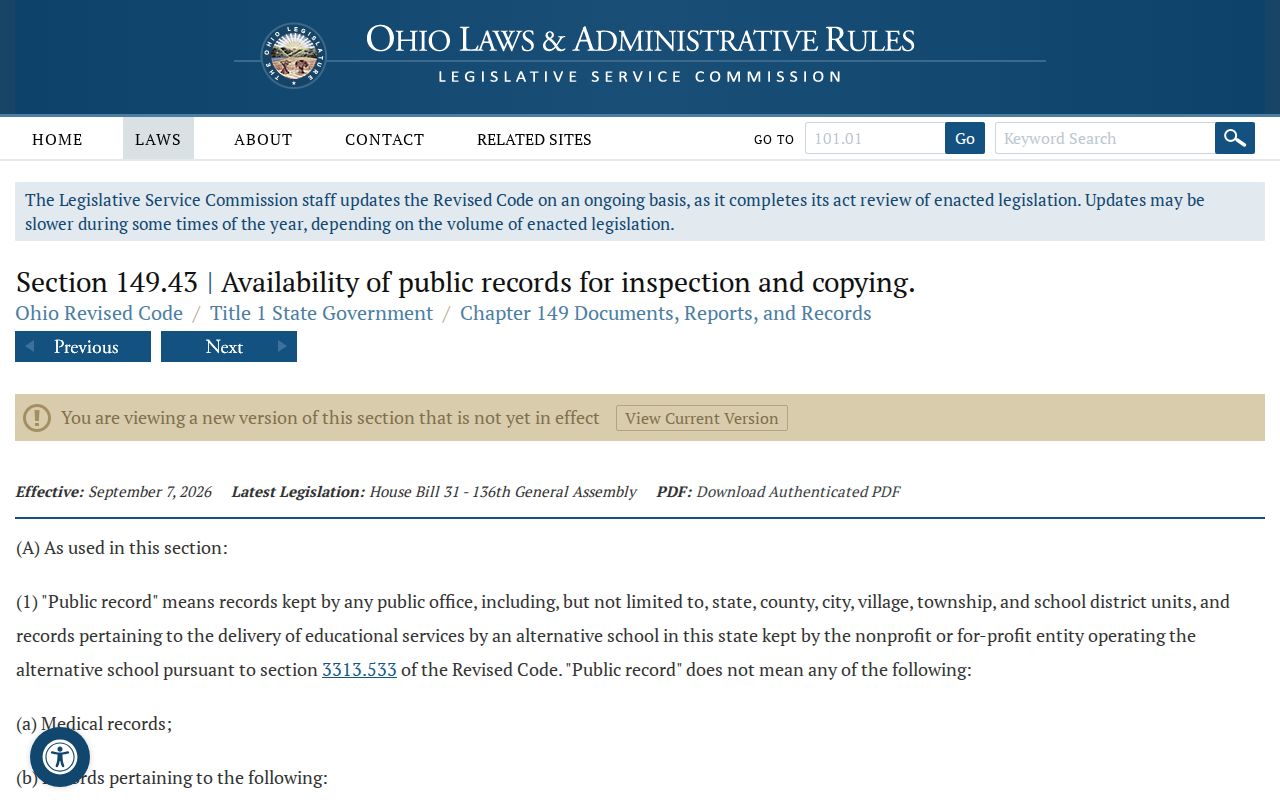
Ohio public-records law supplies the context for access, but the court's own rules and custodian control any particular Hancock County court record.
Federal Records Are Not County Records
Searching a Hancock County state case online does not turn it into a federal record. Federal civil and criminal matters belong elsewhere. They sit with the U.S. District Court for the Northern District of Ohio. Federal bankruptcy goes to the Northern District's Bankruptcy Court. Federal appeals go to the Sixth Circuit. PACER handles public access to federal docket reports and documents.
Knowing that split saves wasted effort. A Findlay ticket, a Fostoria municipal case, a Probate matter, or a Hancock Common Pleas file has no business in PACER. By the same token, Hancock Court eServices will not return a federal lawsuit. Start instead with the Northern District of Ohio and PACER, the official federal entry points.
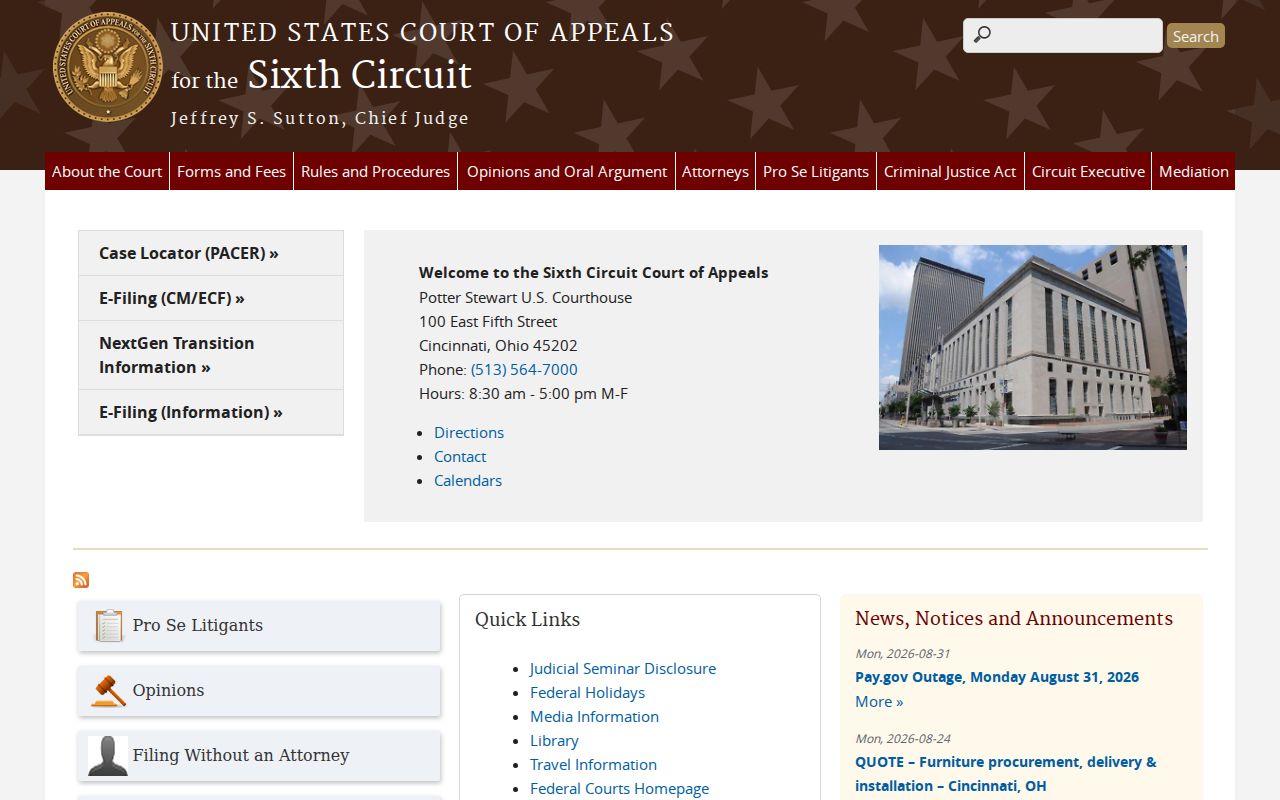
The federal appeals source shows that an appellate record runs through a different court and docket system than Hancock County Common Pleas.